

A Genuinely New Molecule, Barely Tested: Is Fatty15 Worth $40 a Month?
Fatty15 built a supplement around a newly discovered fatty acid, but the independent research and reviews are thin. Here's what we found comparing it to Nordic Naturals, Thorne, and Tru Niagen.
➤ Read the review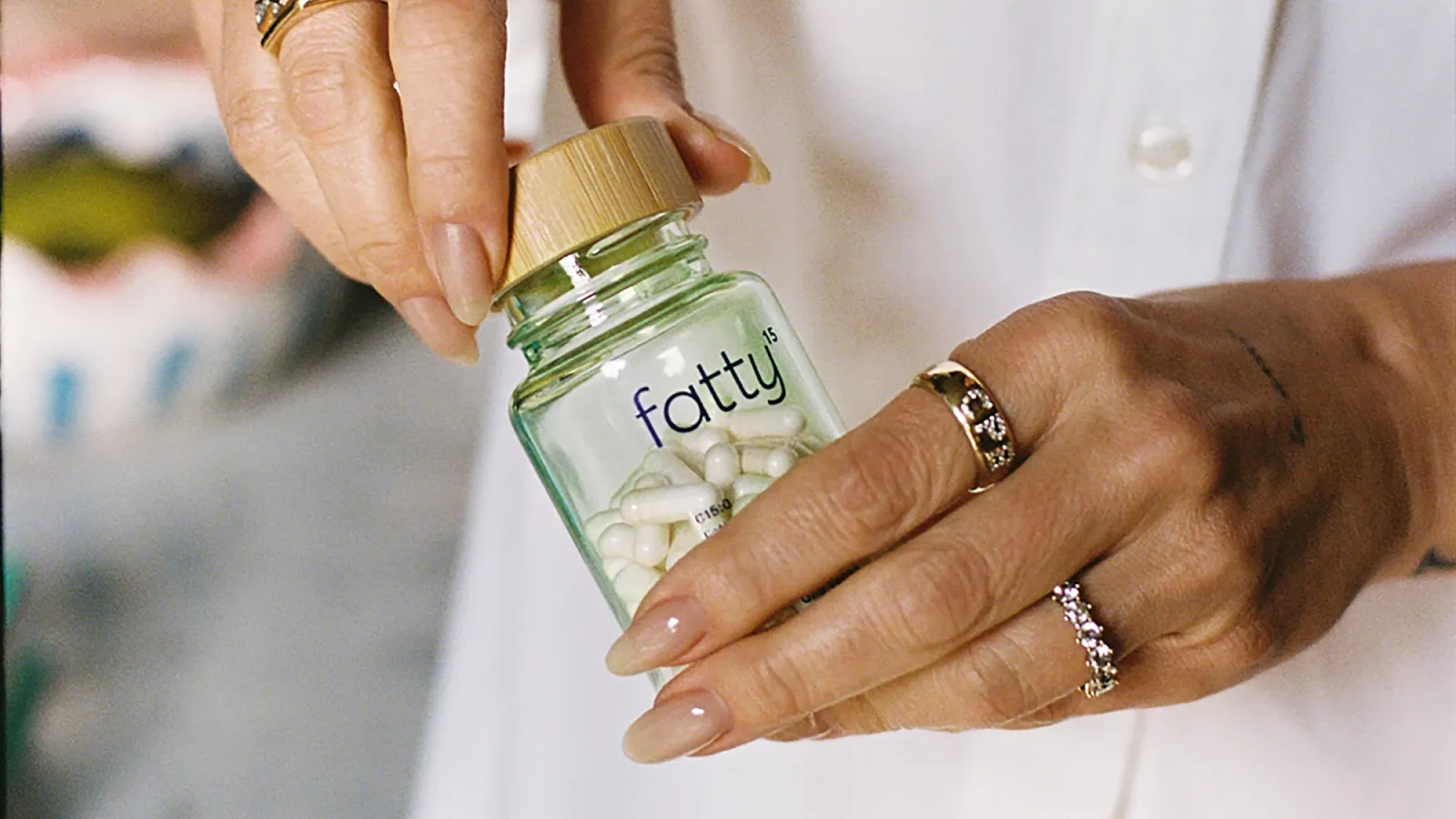
The verdict at a glance
Fatty15 has a rare thing in the supplement world: a genuinely novel, patented molecule with a real discovery story. What it doesn’t have yet is the decades of independent human research its omega-3 and NAD+ competitors can point to.
A genuinely new molecule (C15:0) with a real discovery pathway, not a repackaged known ingredient.
One published human trial, 30 people, 12 weeks. Real and NIH-funded, but small and early-stage.
Around $1.33 to $1.67 a day, mid-pack against competitors, not the cheapest way to test the idea.
Independent ratings we found ranged from 2.8 to 3.7/5 on a very small sample, nowhere near the brand’s own 4.8-4.9 star claim.
The dolphin study behind Fatty15
Fatty15’s origin story is unusually specific for a supplement brand. Co-founder Dr. Stephanie Venn-Watson, a veterinary epidemiologist who worked with the CDC, WHO, and the US Navy Marine Mammal Program, spent roughly a decade tracking the health of Navy dolphins. She and her physician husband, Eric Venn-Watson, found that blood levels of an odd-chain saturated fatty acid, pentadecanoic acid, or C15:0, correlated with healthier aging markers in dolphins on an all-fish diet. The company brands its purified version of the molecule FA15 and calls it the first essential fatty acid discovered in 90 years.
The patents behind the discovery, originally developed through Navy-funded research, are exclusively licensed to the founders’ company, Seraphina Therapeutics. Fatty15 launched direct-to-consumer in 2021 and, per press coverage, sold out within six weeks of launch. You can shop the brand directly at fatty15.com.
⚠️ A conflict of interest worth naming plainly
- Dr. Venn-Watson is both the lead scientist behind most of the published C15:0 research and draws a salary from the companies that commercialize it, Epitracker Inc. and Seraphina Therapeutics.
- This is disclosed in the company’s own published papers. It isn’t an accusation of fraud, and disclosed conflicts are normal in industry-adjacent science.
- But it means most of the existing C15:0 literature isn’t independent of the brand, which is exactly the kind of detail an honest review should surface rather than bury.
Product spotlight: the fatty15 capsule
The product is a single ingredient, dosed consistently: 100mg of C15:0 per capsule, with the label suggesting one to two capsules daily. A 30-day trial kit runs $49.95, a 90-day kit is $149.95 (or $119.96 on subscription), and an annual kit is $459.95, working out to roughly $1.33 to $1.67 a day depending on the plan. Like every product in this comparison, it’s a dietary supplement, not FDA-approved. FA15 has GRAS status, though we couldn’t confirm whether that was self-affirmed by company-appointed experts or reviewed by the FDA, two different levels of scrutiny.
What the science actually shows
Fatty15’s product page cites “100+ peer-reviewed studies” and states that 70% of customers report seeing or feeling benefits within 16 weeks. We went looking for the underlying research instead of taking the summary at face value.
The strongest evidence we found: Robinson et al., published in The Journal of Nutrition in 2024, a double-blind, placebo-controlled, NIH-funded trial of 30 adults (20 treatment, 10 placebo) over 12 weeks. It found C15:0 supplementation raised blood C15:0 levels and was associated with improved liver enzymes in a subgroup that reached a certain blood threshold. That’s a real, independently-funded human trial, and also a small, early-stage one that doesn’t establish the broad “36+ cellular benefits” language on the product page.
Having any published human trial is more than most supplement brands can claim, including several on our comparison list.
The rest of the evidence is thinner. A 2022 in-vitro study (cell-based, not human) was funded partly by the Office of Naval Research and partly by Epitracker Inc., the founders’ own company, legitimate peer-reviewed science, but pre-clinical and not independent of the brand. And two of the brand’s headline numbers, the “100+ peer-reviewed studies” figure and the “70% of customers” statistic, appear only on Fatty15’s own site without a citation trail we could follow to a published source. Treat those as marketing language, not established fact.
Comparison: Fatty15 vs. 4 major supplement brands
We picked four brands that represent the realistic alternatives a Fatty15 shopper is actually choosing between: two established omega-3 brands (Nordic Naturals, Thorne), the closest thing to a single novel longevity molecule rival (Tru Niagen, built on the NAD+ precursor NR), and the biggest mainstream DTC wellness brand for scale contrast (AG1).
| Brand / Product | Est. cost / 30 days | Core active | Human evidence | Independent reviews |
|---|---|---|---|---|
| Fatty15 C15:0 capsules |
~$39.99 | 100mg C15:0/capsule | 1 trial, 30 people (2024) | 2.8-3.7/5, ~16 reviews (Trustpilot) |
| Nordic Naturals Ultimate Omega 1280mg |
~$18.75 | 1280mg EPA/DHA (2 softgels) | Decades of class-wide trials | 4.7/5, 2,440 ratings (Walmart) |
| Thorne Super EPA |
~$13.67-$27.33 | 425mg EPA + 270mg DHA | Decades of class-wide trials | 4.8/5, 1,036 reviews (iHerb) |
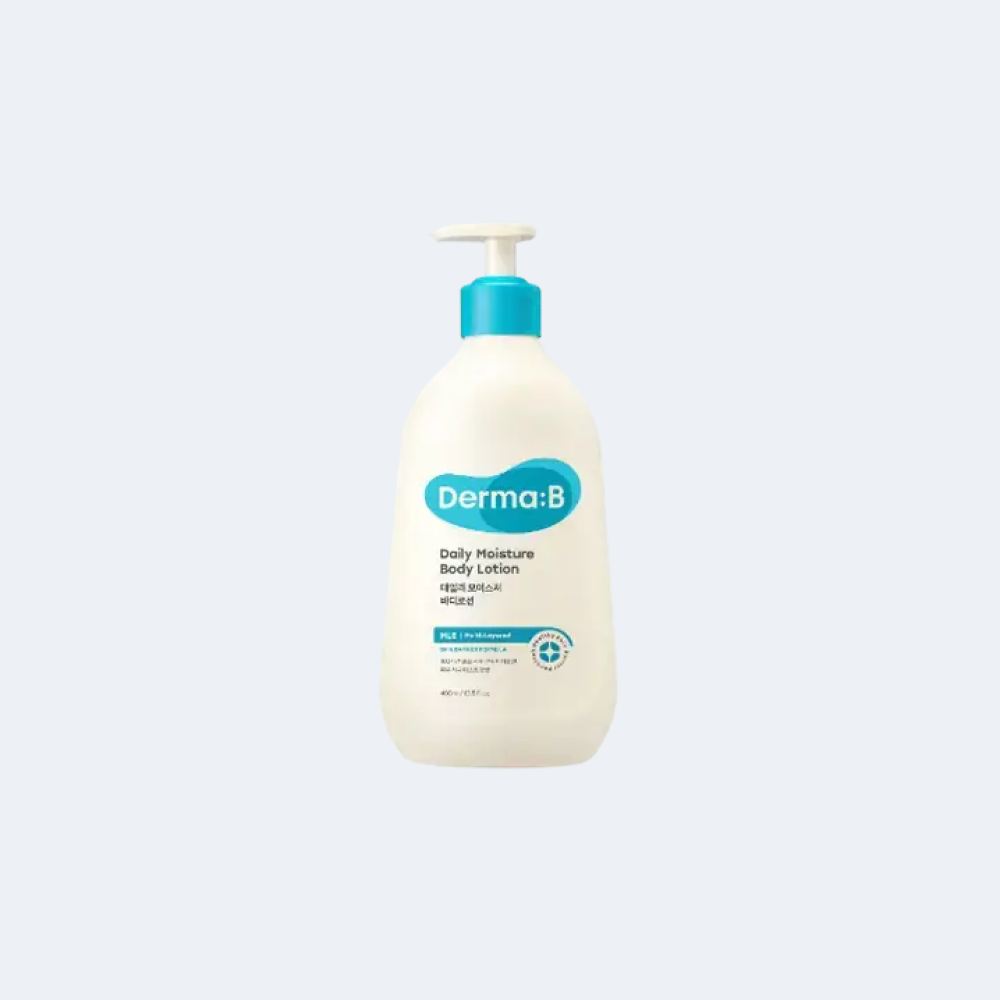
| Tru Niagen 300mg (NAD+ / NR) |
~$39.20 | 300mg Niagen (NR) | Multiple independent safety trials | 2.4/5, 16 reviews (Trustpilot) |
| AG1 Greens & multivitamin powder |
~$79.00 | ~75-ingredient blend | Broad category, not molecule-specific | 4.3/5, 2,875 reviews (varies by region) |
Fatty15 and Tru Niagen land almost exactly on top of each other at $39-40 a month, a useful head-to-head since both sell a single novel longevity molecule rather than a broad blend.
✅ What Fatty15 gets right
- A genuinely new molecule with a real discovery pathway, not a repackaged known ingredient.
- One real, NIH-funded human trial exists, more than most supplement brands in this comparison can claim.
- The founder discloses her financial ties to the research in the published papers themselves, an honest framing most brands skip.
⚠️ What holds it back
- The human evidence is real but thin: one trial, 30 people, 12 weeks, not proof of the “36+ cellular benefits” marketing language.
- Independent reviews (2.8-3.7/5) sit well below the brand’s own claimed 4.8-4.9 stars.
- At roughly $40/month it costs about double Nordic Naturals’ well-established omega-3, for a molecule with far less data behind it.
Formula radar: Fatty15 vs. Tru Niagen
These two are the closest real rivals in this set: both sell one patented, single-molecule compound at a near-identical monthly price, backed by a longevity-science story rather than a broad multi-ingredient blend.
Positioning (editorial scoring out of 10, for illustrative purposes)
Fatty15 Tru Niagen (dashed). Both score low on independent reviews, this isn’t one clean brand vs. one messy one, it’s a category-wide gap between marketing claims and third-party verification.
Who should consider it?
What reviewers are really saying
Fatty15’s own site claims 4.8 to 4.9 stars across thousands of reviews. That’s a real number, but not an independent one. Independent snapshots of its Trustpilot page returned inconsistent ratings on a very small sample, around 16 reviews, ranging from 2.8 to 3.7 out of 5, different enough that we won’t cite one figure as the rating. Seraphina Therapeutics, Fatty15’s parent company, holds a strong Better Business Bureau accreditation rating, but no customer reviews were posted there at the time we checked.
Our takeaway: treat the brand’s own star rating as marketing copy, not evidence, for any supplement, this one included. A gap this size between on-site and independent ratings is worth knowing before you subscribe.
FAQ
Is C15:0 actually an essential fatty acid?
The company’s framing, “first essential fatty acid discovered in 90 years,” is based on its own and affiliated research proposing C15:0 meets the criteria for essentiality. This classification isn’t yet universally established the way omega-3 and omega-6 essentiality is in mainstream nutrition science, it’s an active, relatively young area of research rather than settled consensus.
Can I just eat more fatty fish instead?
Fatty fish, especially sardines, and full-fat dairy are natural dietary sources of C15:0, alongside omega-3s. Fatty15 argues its capsule delivers a more concentrated, consistent dose than diet alone, a reasonable claim in principle, though we didn’t find a head-to-head study comparing capsule supplementation against a fatty-fish-rich diet specifically.
How does Fatty15 compare to just taking fish oil?
They’re different molecules with very differently sized evidence bases. Omega-3 EPA/DHA fish oil has decades of large human trials behind the class overall; C15:0 has one small human trial. That doesn’t mean C15:0 doesn’t work, it means there’s simply much less data to judge it by yet.
Our final verdict
Fatty15 deserves credit for something genuinely rare in the supplement aisle: an actual new discovery, a named human trial, and a founder who publishes, and discloses her conflicts, in real journals. That’s a higher bar than most of the category clears. But more rigorous than average isn’t the same as proven, and the gap between the marketing page’s confidence and the underlying evidence is real enough that we can’t call this a must-buy yet.
If you’re drawn to the science and can afford about $40 a month to experiment, it’s a defensible choice with a low, if unproven, risk profile, in line with the 3/5 we’re giving it here. If you want the best-evidenced way to spend that money on fatty-acid supplementation today, Nordic Naturals or Thorne remain the safer bet on the evidence alone.
Want to see the details for yourself?
Check current pricing and the full ingredient breakdown directly from the brand.